

The Nature of Luck in Gambling
Luck plays a pivotal role in the realm of gambling. For many participants, luck is seen as an unpredictable force that influences outcomes in games of chance. This belief in luck stems from the inherent uncertainty of gambling itself, where each spin of a slot machine or roll of the dice can lead to varied results. Many gamblers attribute their wins or losses to luck, often viewing it as a cosmic element that can sway their fortunes at any moment. Some individuals might even think about how to play poker online for money as a way to improve their luck and profit from the experience.
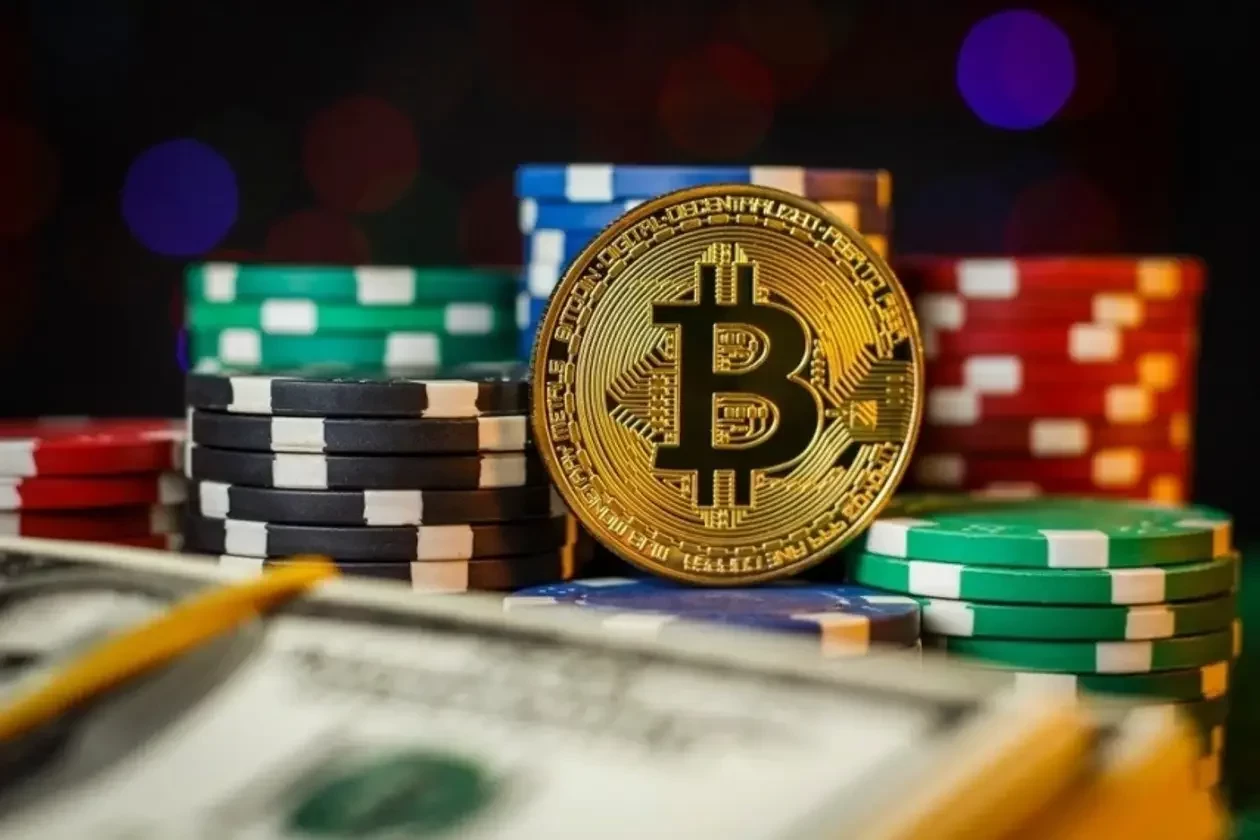
This perception of luck can lead to a heightened emotional experience when gambling. Gamblers may feel elated when they are on a winning streak, attributing their success to their own personal luck. Conversely, they may experience frustration during losing streaks, leading them to question their luck or even avoid certain games altogether. This psychological swing highlights how deeply intertwined luck is with the overall gambling experience.
The Influence of Superstitions
Superstitions are deeply embedded in gambling culture, with players often employing various rituals and beliefs in hopes of enhancing their luck. Practices such as wearing lucky clothing, carrying charms, or engaging in specific behaviors before playing are common among gamblers. These superstitions can create a sense of control over an otherwise unpredictable environment, allowing players to feel more empowered in their gambling activities.
While these beliefs may not alter the odds, they can significantly affect a player’s mindset. Engaging in superstitious behaviors can boost confidence and create a more enjoyable gambling experience. The psychological comfort provided by these beliefs may help counteract feelings of anxiety, making players more willing to take risks, which is a crucial aspect of gambling.
The Role of Cognitive Biases
Cognitive biases play an essential role in the way individuals perceive luck and superstition in gambling. One prominent example is the illusion of control, where players mistakenly believe they can influence outcomes. This bias manifests when gamblers engage in specific actions—such as choosing which slot machine to play—believing that their choice can lead to a better result.
Another cognitive bias affecting gambling behavior is the gambler’s fallacy. This occurs when individuals believe that past outcomes will affect future events, such as thinking that a slot machine is “due” for a payout after several losses. These biases can lead to irrational decision-making, often resulting in increased gambling activity despite negative consequences.
The Social Dimensions of Gambling Beliefs
The beliefs surrounding luck and superstition in gambling are not just individual phenomena; they also reflect broader social dynamics. Group gambling experiences often foster shared rituals and superstitions that can enhance community bonds. Players in casinos may share their lucky charms or engage in group chants before a game, reinforcing the collective belief in luck.
Moreover, social media has allowed for the rapid sharing of gambling strategies and lucky rituals, leading to the proliferation of new superstitions among younger gamblers. As individuals share their experiences online, a new shared culture of luck and belief emerges, further complicating the psychology behind gambling behavior.

Insights Into Responsible Gambling Practices
Understanding the psychology behind luck and superstition is crucial for promoting responsible gambling habits. By recognizing how cognitive biases and beliefs can influence decisions, players can become more aware of their behaviors. Resources and educational content that highlight these aspects can empower gamblers to make informed choices, reducing the risks associated with problem gambling.
For those interested in exploring these psychological dimensions further, it is essential to seek platforms that provide valuable insights and resources related to gambling behavior. Such resources can help individuals navigate their experiences in the gambling world while promoting safer and more responsible practices.